Source Non Leather Track Shoes for Running, Training, and Daily Wear
Compare 30 non leather track shoes from verified suppliers in Fujian, China. Buyers can evaluate materials like PU and rubber, sizes, and customization options for running, training, and daily wear applications; compare the available evidence and request quotations based on your requirements.
Key considerations
Products List
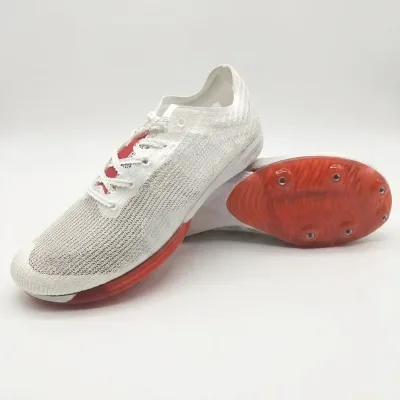
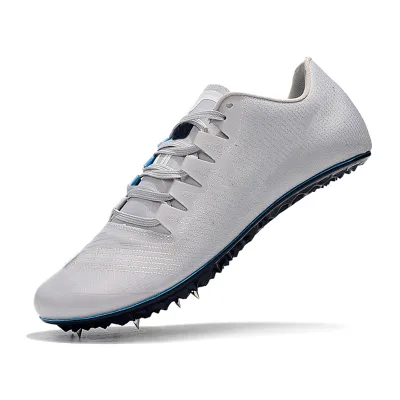
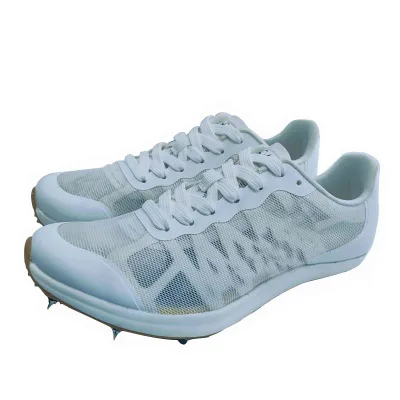
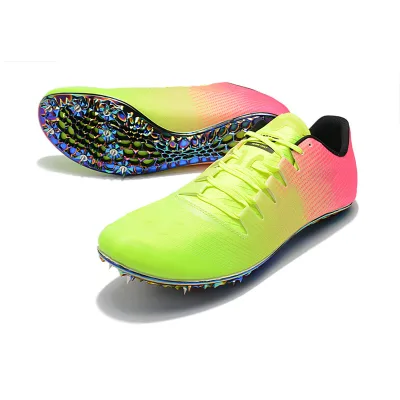


Comprehensive Sourcing Guide
Non Leather Track Shoes Sourcing Guide
Sourcing non-leather track shoes requires a strategic focus on synthetic material performance and manufacturing flexibility. Buyers must evaluate how polyurethane uppers and rubber outsoles deliver durability without relying on animal hides. This approach often reduces costs while meeting modern sustainability expectations. Understanding the specific material composition is essential for ensuring the final product aligns with brand identity and functional requirements.
The procurement process involves verifying customization capabilities and supply chain transparency. Many manufacturers offer OEM and ODM services, allowing for tailored designs and branding. It is crucial to assess the supplier’s ability to handle complex orders, including logo placement and color variations. Clear communication regarding production timelines and quality control measures ensures a smoother transaction and minimizes the risk of delays or defects.
Product Scope and Observed Listing Signals
The current market for non-leather track shoes features a wide array of options designed for various seasons and activities. Listings frequently highlight materials such as PU uppers and cotton fabric linings, which provide breathability and comfort. These shoes are often marketed as unisex or gender-specific, catering to both men and women. The observed product range includes multiple color options, from classic black and white to vibrant hues like pink and orange, allowing for diverse aesthetic choices.
Technical specifications indicate a strong emphasis on customization and ready-to-ship availability. Many suppliers support custom sizing and logo printing, which is vital for private label brands. The observed single package sizes and gross weights suggest standardized packaging that facilitates efficient logistics. Buyers should note that while some listings offer free samples, the minimum order quantities can vary significantly, impacting initial inventory planning and cash flow management.
Technical Specifications to Verify
Verifying technical specifications is critical to ensuring the shoes meet performance expectations. Key attributes to confirm include the upper material, which is often PU, and the outsole material, typically rubber for durability and traction. The midsole material, frequently EVA, contributes to lightweight comfort and shock absorption. Buyers should also check the shoe size ranges, which often span from US 4 to US 12, ensuring inclusivity for different customer demographics.
Additional technical details involve the sole technology and construction methods. Cold bonding processes are commonly used, which can affect the longevity of the bond between the upper and outsole. Features such as anti-slip designs and breathable fabrics are important for functional performance. Buyers must verify the exact dimensions of the single package and the gross weight to calculate accurate shipping costs and storage requirements, avoiding unexpected logistical expenses.
Compliance and Safety Documentation
Compliance and safety documentation are essential for mitigating legal and reputational risks in the footwear industry. Buyers should request information on material safety standards, such as OEKO-TEX certification, which ensures the absence of harmful substances. Although not all suppliers may provide this documentation, it is a valuable indicator of quality and environmental responsibility. Verifying these certifications helps ensure that the products are safe for consumer use and meet international regulatory requirements.
Safety features, such as anti-skid blades or non-slip outsoles, should be clearly documented and tested. Buyers must ensure that the shoes meet relevant safety standards for traction and stability, particularly for athletic or outdoor use. It is also important to verify that the manufacturing process adheres to ethical labor practices and environmental regulations. Requesting detailed compliance reports from suppliers can provide assurance that the products are produced responsibly and safely.
Cost Drivers and Commercial Terms
Cost drivers for non-leather track shoes include material selection, customization complexity, and order volume. The use of synthetic materials like PU and EVA can offer cost advantages over natural leather, but the extent of customization, such as unique colors or logos, can increase production costs. Minimum order quantities (MOQ) play a significant role in pricing, with higher volumes often leading to better unit prices. Buyers should negotiate terms that balance cost efficiency with inventory management needs.
Commercial terms also encompass delivery methods and payment conditions. Suppliers may offer various delivery options, including sea, air, train, or express shipping, each with different cost and time implications. It is crucial to clarify the lead times and shipping costs to avoid unexpected expenses. Additionally, understanding the sample policy, such as whether samples are free or paid, can impact the initial sourcing budget. Clear communication on these terms helps in planning the overall procurement strategy effectively.
Supplier Qualification and Quality Control
Supplier qualification involves assessing the manufacturer’s production capabilities and quality control processes. Buyers should verify the supplier’s experience in producing non-leather track shoes and their ability to handle custom orders. Checking for certifications and past performance records can provide insights into the supplier’s reliability. It is also important to evaluate their communication responsiveness and willingness to accommodate specific requirements, which are key indicators of a good partnership.
Quality control measures should be clearly defined and enforced throughout the production process. Buyers should request detailed quality inspection reports and consider third-party inspections for large orders. Verifying the consistency of materials, such as the PU upper and rubber outsole, is crucial to ensure product durability. Establishing clear quality standards and communication channels helps in maintaining product integrity and reducing the risk of defects, ensuring customer satisfaction and brand reputation.
Long-Term Procurement Checks
Long-term procurement checks involve continuous monitoring of supplier performance and market trends. Buyers should regularly review supplier quality, delivery times, and responsiveness to ensure consistent performance. Establishing key performance indicators (KPIs) can help in tracking these metrics and identifying areas for improvement. Regular audits and feedback sessions with suppliers can foster a collaborative relationship and drive continuous improvement in product quality and service.
Market trends and consumer preferences should also be monitored to stay competitive. Buyers should keep an eye on emerging materials, design trends, and sustainability initiatives in the footwear industry. Adapting to these changes can help in maintaining product relevance and meeting customer expectations. Additionally, diversifying the supplier base can mitigate risks associated with supply chain disruptions. Building a resilient and adaptable procurement strategy is essential for long-term success in the dynamic footwear market.
FAQs
What materials are used for non leather track shoes?
These shoes typically use PU for the upper material and rubber for the outsole. The lining is made of cotton fabric, while the midsole utilizes EVA for cushioning. This combination provides a durable, lightweight, and breathable structure suitable for various seasons and active use.
Can I customize the logo and color of these shoes?
Yes, customization is available for both logos and colors. Buyers can accept customized logos and choose from a wide range of colors including blue, black, pink, and white. The service supports OEM and ODM requirements, allowing for tailored designs to meet specific brand identities.
What is the minimum order quantity for these track shoes?
The minimum order quantity varies, with some listings requiring 600 pairs while others accept as low as 12 pairs. Buyers should check specific supplier terms as MOQs can range from 1 to 1000 pairs depending on the manufacturer and the level of customization requested.
Where are these non leather track shoes manufactured?
These shoes are primarily manufactured in Fujian, China, specifically in the Quanzhou region. This area is known for its strong footwear manufacturing industry, ensuring access to skilled labor and efficient supply chains for producing high-quality sport and fashion shoes for global distribution.
Are these shoes suitable for outdoor winter use?
Yes, these shoes are designed for multiple seasons including winter, summer, spring, and autumn. They feature anti-slip blades and a non-slip rubber outsole for traction. However, they are not waterproof, so they are best suited for dry outdoor conditions or general sport activities.
What sizes are available for these unisex track shoes?
Sizes range from US 3.5 to 20, covering men, women, and youth. Common US sizes include 4, 5, 6, 7, 8, 9, 10, 11, and 12. The product also lists European sizes from 30 to 48, ensuring a broad fit for various demographics.